
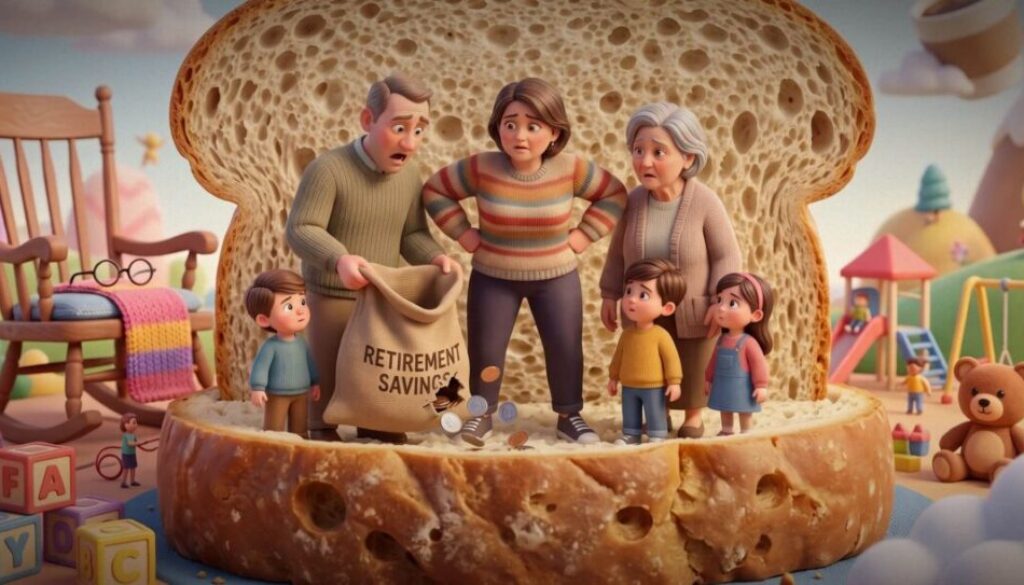
The ‘sandwich generation’ faces compounded barriers to retirement savings
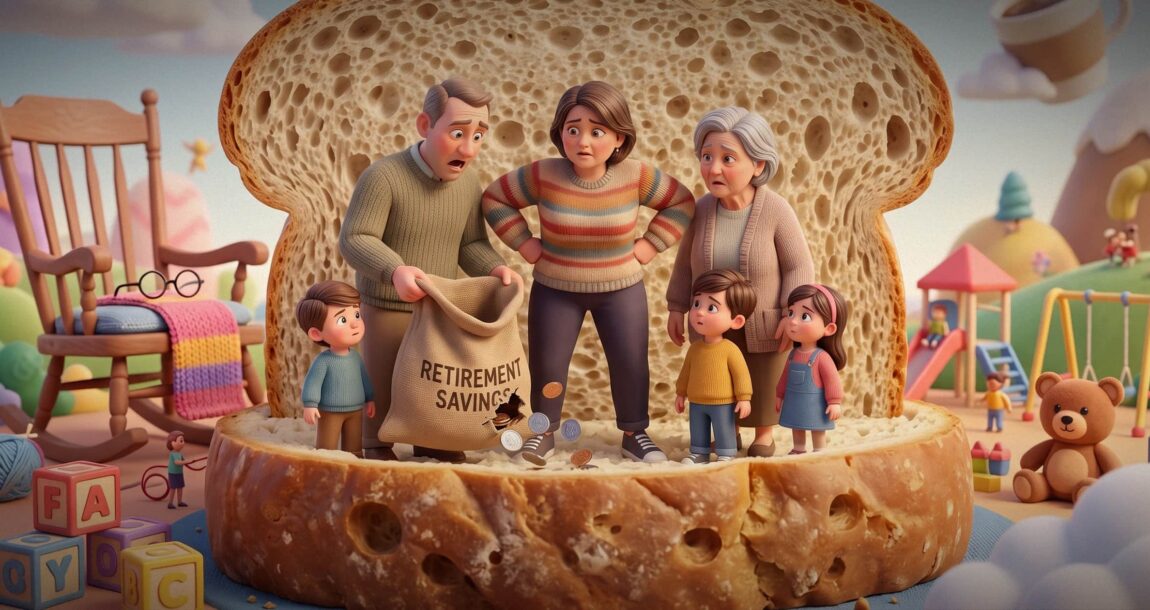
An increasingly younger percentage of Americans known as the “sandwich generation” faces more difficulty saving for retirement as they balance caring for their own young children and for aging parents.
“Dual caregiving is hitting people much earlier than anyone expected,” Jill McNamara, vice president of strategic growth at Care.com, said. “Responsibilities are starting at around age 34 on average, and it’s happening suddenly. Most people don’t see it coming until they’re already in it.”
Previous research found that not only has the number of American adults providing caregiving increased by more than 45% within the last decade, but the age at which it begins has also dropped from around 40 to 50 years of age to around 35.
“This isn’t just a ‘boomer caring for parents’ story anymore — it’s hitting people in their early to mid-30s, which is reshaping what ‘sandwich generation’ even means,” McNamara said.
It also represents a compounded barrier to adequate retirement planning that many young Americans are already facing, financial experts suggested.
“I think that this change in the number of people in caregiving roles has happened relatively quickly,” Teresa Hassara, senior vice president, Workplace Savings and Retirement Solutions group, Principal, said. “I’m not sure that we are thinking about it and talking about it as comprehensively and seeing it as a financial wellness issue, rather than a caretaking issue.”

Significant financial impact
Care.com’s 2026 Sandwich Generation Report found that today’s dual caregivers, 80% of whom say they felt caught off guard by the circumstances, deprioritize major aspects of their life to focus on providing care. In terms of finances:
- 82% said care costs make their household feel financially strained.
- 80% said unexpected caregiving has changed the financial future they expected.
- 77% said they feel financially behind because of caregiving duties.
- 71% said they feel guilty spending money on themselves.
- 66% said the cost of living, inflation and economic uncertainty have a major impact on them.
- 52% said they deprioritized financial savings.
“It makes sense when you think about it,” McNamara said. “When a parent needs help today, that takes precedence over a retirement contribution that can technically wait. The problem is, those ‘temporary’ pauses tend to stack up over years, especially since caregiving responsibilities are starting younger and lasting longer than people expect.”
“It really puts a financial burden on the sandwich generation because the timing is unexpected and it may not have been planned for,” Andrew Crowell, vice chairman of wealth management at D.A. Davidson & Co., said.
He noted that most people are “trying to dispose of recurring expenses” such as mortgages or credit card debt as they approach retirement, but the sandwich generation is “surprised” by children “hanging on longer than they were originally expected to” while parents may also unexpectedly need healthcare support.
And surprises can happen even when everything was planned right, he added. For example, he mentioned a client who had begun financial planning well in advance and was of sound mind and still found herself scammed out of half a million dollars. In another case, a client unexpectedly broke a hip and had to move back in with his adult children, creating unexpected financial costs.
“As loving children and loving parents, you want to do the best for both generations before you and behind you. But it just means that the pressure is on that sandwich generation to anticipate the unanticipated, which is challenging to do,” Crowell said.
“For those middle-income earners, it’s particularly difficult,” Hassara added. “They’re having to take precious resources that they may use to put into an emergency savings account, or they may use it for their retirement, and redirect those to their caregiving responsibilities. They tend to have more debt, and that can be both credit card and medical debt. They’re using debt to cover some of the shortfalls that they’re experiencing financially.”
“Saving for retirement is the easiest expenditure line to cut once there is the burden of supporting two people,” Dat Ngo, certified public accountant and financial expert at Vetted Prop Firms, said. “With dual caregiving, it gets increasingly difficult for the individual to make plans for their retirement since, at this stage, the individual may need to cut down on their contributions when the need of the hour really requires them to step up.”
How can advisors help?
All the experts interviewed for this article said financial advisors can do their part to help clients think about caregiving and plan for the unexpected.
“Advisors need to really incorporate this into their conversations with their customers about what their caretaking responsibilities are today; how does that impact them, both personally as well as their financial perspective; what are their caretaking needs potentially down the road, and how are they planning to handle it,” Hassara said.
“It can feel like an uncomfortable conversation, and yet, at the same time, when everybody is of sound mind and thinking clearly, that’s exactly the time to have a conversation,” Crowell added.
© Entire contents copyright 2026 by InsuranceNewsNet.com Inc. All rights reserved. No part of this article may be reprinted without the expressed written consent from InsuranceNewsNet.com.
The post The ‘sandwich generation’ faces compounded barriers to retirement savings appeared first on Insurance News | InsuranceNewsNet.