

How to discuss higher deductibles without losing client trust
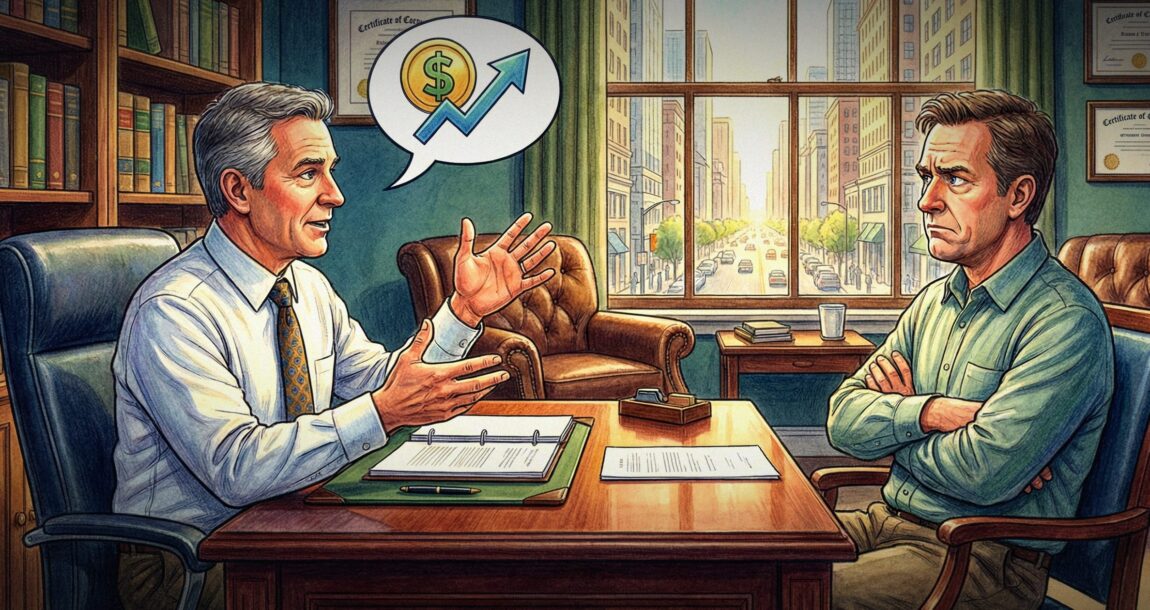
These days, higher deductibles are the result of a structural reset in the insurance market driven by three primary forces: carrier profitability, inflation, and escalating catastrophe risk. Unfortunately, they create friction for clients, introducing uncertainty and perceived financial exposure at the moments they need coverage most.
The good news is advisors can step in to proactively educate, contextualize, and align deductibles with a client’s financial reality, preserving trust and improving retention.
“This strategy will elevate a client’s role from policy seller to true risk advisor,” said Michelle Youshock, head of Personal Lines at World Insurance Associates.
The culprits behind higher deductibles
First, carriers have experienced sustained underwriting losses over multiple years, particularly in personal lines. Frequency of claims has skyrocketed, severity has increased, and in many cases, rate alone has not been sufficient to restore profitability. Raising deductibles is a direct way for carriers to reduce loss frequency and ensure policyholders retain more risk at the point of claim.
Second, inflation has materially changed the economics of claims. Construction costs, labor, materials, auto parts, and medical expenses have all increased significantly. “A deductible that once represented meaningful risk sharing no longer does so in real dollars, prompting carriers to recalibrate deductibles to reflect today’s replacement and repair costs,” explained Youshock.
Third, catastrophe exposure has undergone a fundamental shift. Weather-related losses—such as wind, hail, wildfire, and flood-adjacent events—are more frequent, more severe, and affecting broader geographies.

Carriers are using higher deductibles, especially percentage-based wind and catastrophe deductibles, to manage volatility, protect surplus, and remain in markets rather than withdrawing entirely.
“In short, higher deductibles are not arbitrary; they’re a market mechanism to keep capacity available while aligning risk more realistically between carriers and insureds,” added Youshock.
The client dilemma
From a client’s perspective, premiums are a known cost, but deductibles represent an unknown future expense. When deductibles increase materially—particularly to levels that exceed a household’s readily available savings—it can create anxiety and erode confidence in the value of insurance.
“There is also an expectation gap. Many clients believe insurance is designed to “handle the loss,” not realizing how much risk has shifted back to them through deductibles, exclusions, and claims handling changes,” explained Youshock.
Even if premiums are slightly lower, policyholders may struggle to cover the initial payment, especially after unexpected events such as accidents or natural disasters.
“This can create financial stress, delayed repairs, or underinsurance, which undermines the perceived value of coverage,” said Tim Johnson, Insurance Analyst at Aceable Insurance.
Clients may also feel less protected or more exposed, particularly if deductibles rise faster than their income or savings.
What advisors can do
Advisors play a critical role in reframing higher deductibles from “bad news” into a strategic risk-management decision. The following approaches are effective in doing so:
Lead with education, not apology
Position deductible changes as a market reality, not a carrier decision, the advisor is simply passing along. Explain why deductibles are increasing and how they function as part of a broader risk-sharing model. “Clients respond better when they understand the ‘why’ before reacting to the ‘what,’ ” said Youshock.
Anchor the deductible to real-world scenarios
Abstract numbers feel alarming; practical examples create clarity. Walk clients through what a $5,000 or percentage-based deductible looks like in a realistic claim scenario. “This helps clients assess whether the deductible is manageable and avoids surprises later,” explained Youshock.
Align deductibles with liquidity, not just premium
According to Youshock, a deductible should be a deliberate financial decision, not an afterthought. Advisors should help clients select deductibles based on available savings, emergency funds, or access to credit, rather than defaulting to the highest deductible to offset premium increases.
Reframe deductibles as a risk-control lever
Deductibles are one of the few levers clients can control in a constrained market. “Positioning them as a tool—rather than a penalty—empowers clients to make informed trade-offs between premium stability and retained risk,” said Youshock.
Keep cost savings top of mind
“Suggest ways to handle out-of-pocket costs, like a deductible savings fund or installment options, so the client isn’t caught off guard,” said Johnson. Another opinion is to bundle policies or tweak coverage limits to offset higher deductibles and maintain peace of mind.
Pair higher deductibles with loss-prevention strategies
When deductibles increase, advisors should concurrently discuss mitigation: roof upgrades, water leak detection, wildfire defensible space, safe driving programs, and home maintenance practices. “This reinforces that higher deductibles are part of a broader loss-avoidance strategy, not just a cost shift,” explained Youshock.
Normalize periodic deductible reviews
Deductibles should be reviewed annually, just like limits and valuations. Framing this as an ongoing planning conversation reduces shock and positions the advisor as a long-term risk partner rather than a transactional messenger.
© Entire contents copyright 2026 by InsuranceNewsNet.com Inc. All rights reserved. No part of this article may be reprinted without the expressed written consent from InsuranceNewsNet.com.
The post How to discuss higher deductibles without losing client trust appeared first on Insurance News | InsuranceNewsNet.