
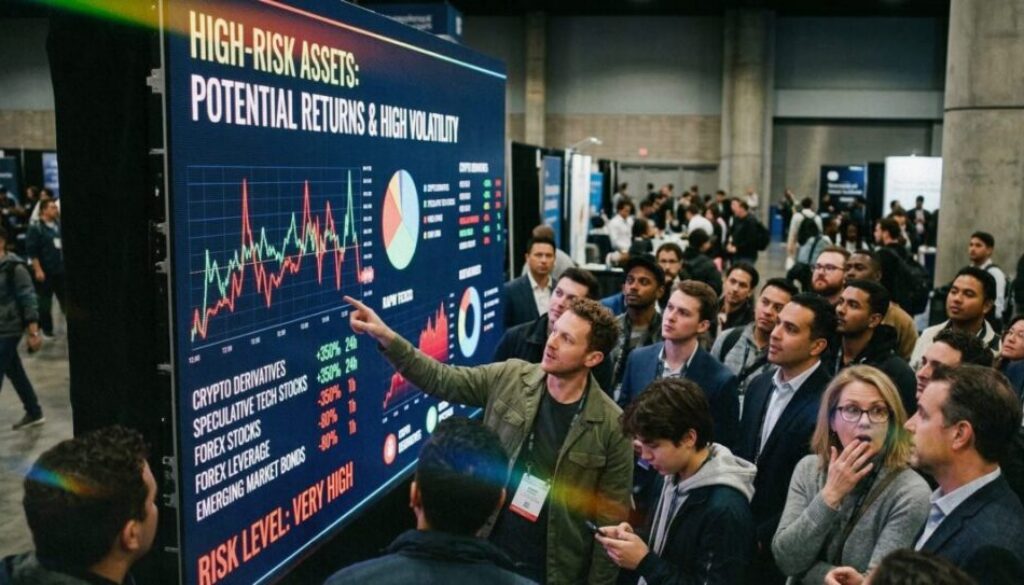
High-risk assets gaining attention from many Americans
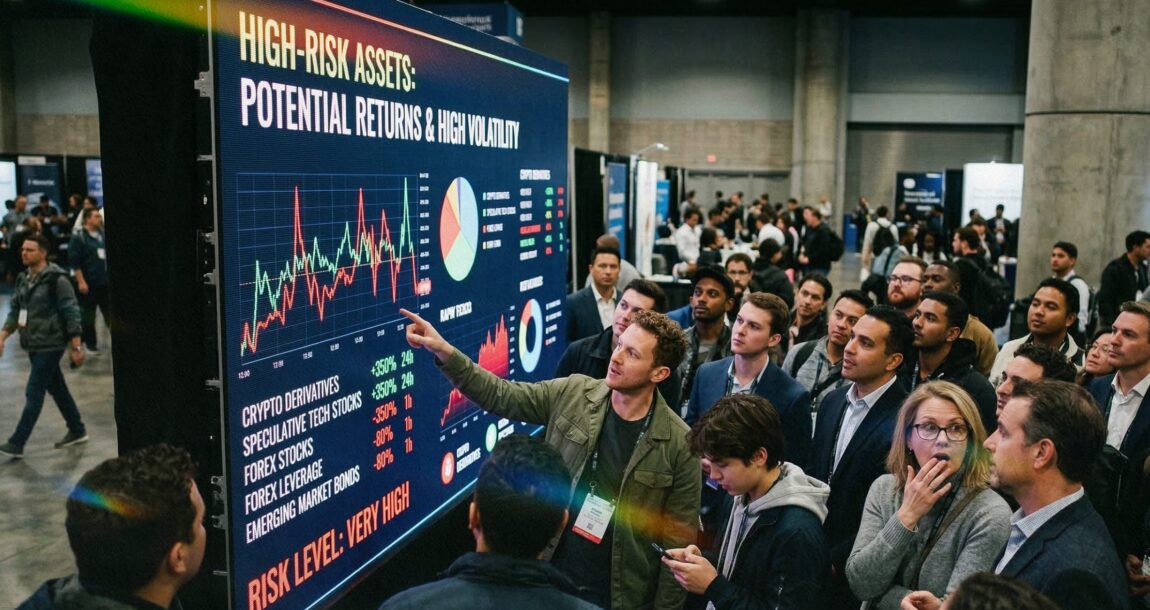
Although half of U.S. adults say they feel financially secure, a sizable number – particularly young adults – are investing in or are considering investing in high-risk/speculative assets such as prediction markets, sports betting and cryptocurrencies.
That was among the findings of Northwestern Mutual’s 18th annual Planning & Progress Study.
The number of Americans who said that they’re financially secure went up across every generation, with the largest year-over-year gains coming from millennials and Generation X, the survey said. And among Americans with a financial advisor, 71% said they felt financially secure while only 10% did not feel financially secure.
Financial discipline also improved. The number of Americans who consider themselves to be “disciplined” financial planners hit a high of 65% in 2020, during COVID-19. Four years later, it fell to a record low of 45% in 2024. Now it is on a two-year upward trend.
Reasons for feeling financially secure
People tend to adapt, and that adaptation can fuel optimism, said Travis May Sr., financial advisor at Northwestern Mutual, in explaining Americans’ high level of optimism. After sustained price pressures, he said, many households trim spending, find ways to save or reorganize priorities. These can net small wins that restore a sense of control.
At the same time, he added, market rebounds in some sectors, steady hiring in parts of the economy and sporadic wage gains can give people tangible reasons to feel better about their prospects. Some families also built emergency savings during COVID-19 or other periods of increased saving, which can provide a psychological boost. “When people feel a bit more prepared, optimism follows, even when challenges remain,” May said.

Americans show interest in high-risk assets
According to the study, Generation Z and millennials make up the largest share of Americans who are investing in – or are considering investing in – high-risk speculative assets this year. These young adults demonstrate the strongest interest in cryptocurrencies, sports betting and event-based contracts offered through prediction markets.
As to why some Americans are investing in or are considering investing in high-risk or speculative assets, May said that the most straightforward answer is that many people feel behind. “When traditional paths don’t seem fast enough, chasing outsized returns can feel like a shortcut,” he said. Also, the barriers to entry are lower through apps and social media, and sports betting culture has further normalized speculative behavior. “For some” he added, “it’s an entrepreneurial, risk-seeking mindset — accepting volatility for the chance of outsized reward.”
May said that what’s often overlooked, though, are the time horizon, the real probability of loss and the role of investor emotions. Investor sentiment often moves in concert with investment cycles — beginning with optimism and excitement, then peaking at euphoria, and then shifting to anxiety, denial, fear and panic if outcomes disappoint, before beginning an upward trend back to optimism and acceptance. “Unmanaged volatility,” he added, “can erase years of progress, which is why engaging a financial advisor can prove beneficial to both the novice and self-proclaimed do-it-yourself “investment guru.”
Americans’ blind spot
Another finding from the survey is that more than half (52%) of Americans said that they suffer from a common blind spot: They place too much emphasis on building wealth/growing their assets without dedicating enough to protecting their assets and managing against risks. And younger adults are reporting this planning gap more often: For Gen Z, the percentage is 57% and for millennials, it’s 62%.
To help address these blind spots, May said that “when working with clients, we can help by making protection the foundation of any plan. The job of a financial professional is helping a person understand that progress is worth protecting and identifying where they may be vulnerable to substantial setbacks.”
“This job begins,” May added, “by ensuring emergency savings, disability coverage and appropriate life insurance are in place so a single setback doesn’t derail goals.”
Speculative activity should be placed within a written “risk budget” so it becomes a controlled choice —an agreed-upon slice of disposable or “fun” money rather than an accidental overexposure, May added. Scenario modeling can also help clarify how incidents such as job loss, health events or market drawdowns affect outcomes. Seeing the numbers often recalibrates risk appetite more effectively than abstract warnings.
The ultimate goal, May said, is to preserve optionality through protection, clarify tradeoffs and allow clients to pursue growth in a way that doesn’t jeopardize what matters most. “Our message is simple: If you’re feeling pressure to catch up, start with a plan that protects the progress you’ve made today so you can pursue growth tomorrow,” he added.
The 2026 Planning & Progress Study was conducted by The Harris Poll on behalf of Northwestern Mutual among 4,375 U.S. adults aged 18 or older. The survey was conducted online between January 5 and January 21, 2026.
© Entire contents copyright 2026 by InsuranceNewsNet.com Inc. All rights reserved. No part of this article may be reprinted without the expressed written consent from InsuranceNewsNet.com.
The post High-risk assets gaining attention from many Americans appeared first on Insurance News | InsuranceNewsNet.