
‘AI communication gap’ leaves negative impression on customers
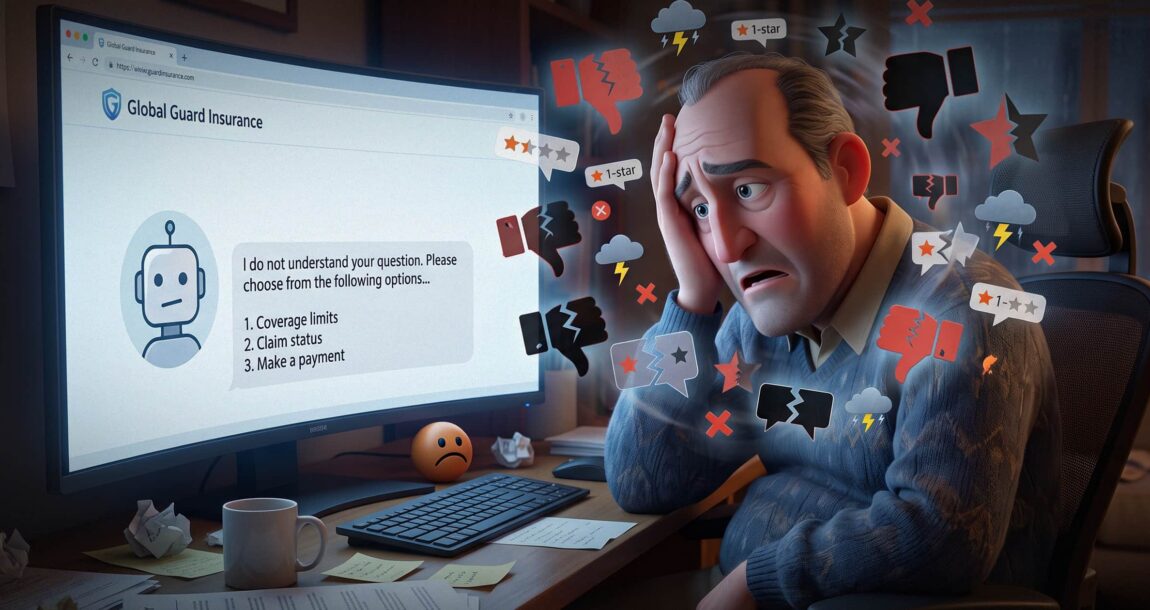
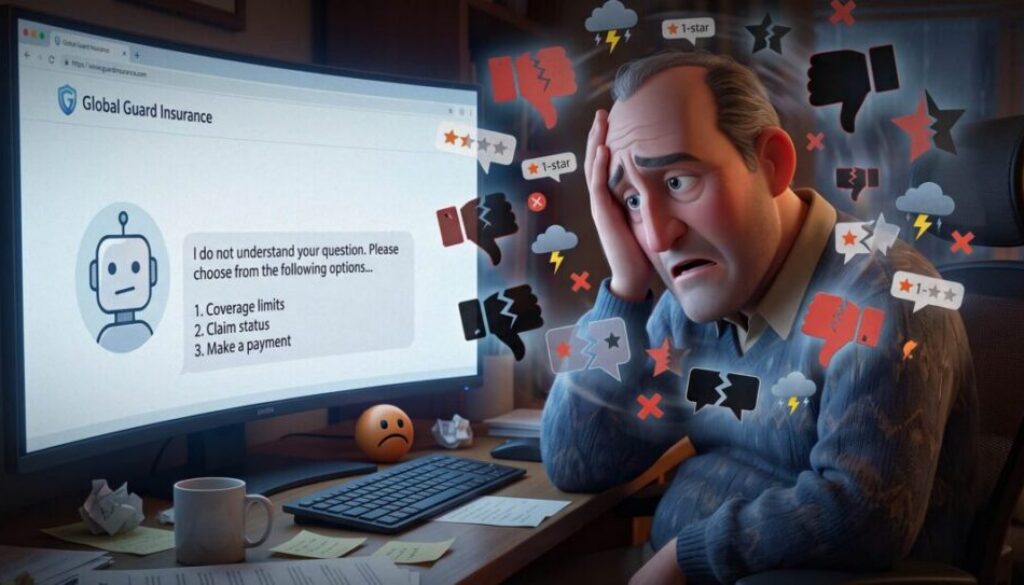
Some insurers should reconsider how they use artificial intelligence for customer service, as a new Trustpilot report found that an “AI communication gap” could negatively affect consumer reviews.
In a recently released report, Danish reviews website Trustpilot found customer ratings of American insurance companies tanked when a complaint was not addressed or escalated along a human chain — especially during times of crisis.
Compounding the issue, consumer reviews mentioning AI, particularly with being looped in a system and unable to contact a human, were significantly more negative than reviews that did not mention AI.
“Ultimately, insurance companies are often dealing with consumers during tragic or really frustrating times in their lives,” Taylor Cunningham, Trustpilot’s vice president of U.S. marketing, said. “It’s really important to consumers, based on the trends that we’re seeing in these reviews, that they feel heard and listened to and understood. It really can’t be understated.”
Cunningham acknowledged that this can be a challenge as many businesses, including insurance companies, are facing increasing pressure to adopt AI. However, she emphasized the need for a balanced approach to avoid driving customers away.
“I don’t think consumers are expecting a flawless experience from a business, but they do expect to be able to be treated with dignity, respect and human connection. When a business fails to do so, it can really hurt their reputation,” she said.

‘Quantifiable cost’ of human connection
According to Cunningham, data from the Trustpilot Insurance Insights Report 2026 pointed to a “quantifiable cost” of an insurance company’s failure to address consumer complaints adequately.
The report found a company’s rating out of five stars, with five being the highest, could be reduced by an average of 1.6 stars just because a customer felt their complaint was ignored.
While 1.6 stars may not seem that significant, Cunningham said it makes “a huge difference” from a consumer’s point of view.
“Think about as a consumer; if you’re doing research on which insurance company to work with, there’s a huge difference between a five-star review and a 3.4-star review. That’s quite a big hit to experience for ignoring a customer complaint. And, again, the problem that we observed was not that there was a complaint at all — it was just that the complaint was ignored,” she said.
Trustpilot also found that firms that failed to provide human escalations following the January 2025 California wildfires ran an increased risk of facing permanent reputational damage.
Cunningham noted this is another example of how crucial human connection can be for the insurance industry.
“It goes back to what we were talking about before. Providing a solid and strong customer experience is crucial, especially after these kinds of natural disasters and tragic events. It does create a season of high risk for businesses if they’re not handling these seasonal or unexpected events with the right level of care and attention,” she said.
This point was underscored by Trustpilot data examining AI sentiment from January 2021 through December 2025. The report found the average rating across reviews that mentioned AI was 2.47 stars, a sharp decline from the 4.35-star average among reviews where AI was not mentioned.
“The most recurring themes are customers who were stuck in a loop, couldn’t get on the phone with a real person and were kind of passed off by AI chatbots or AI automations without being able to speak to a real person,” Cunningham said.
She emphasized that consumers seem open to engaging with AI “when it makes the experience more efficient,” but it appears that having a human involved remains essential for consumers.
Balancing AI adoption and the human element
While the report pointed out the challenge with the “AI communication gap,” Cunningham said it also represents an opportunity for insurers to “stand out if they are doing the right thing at a time when so many other businesses are doing the wrong thing.”
“I think every business is trying to figure out the right balance of leveraging AI to create a better customer experience and operate more efficiently as a business, but you must keep that human in the loop,” Cunningham said.
She said Trustpilot’s advice to insurers as they navigate that balance is:
- Never allow AI to operate as a black box, especially in claims processing and complex customer service.
- Always have a clear, accessible escalation path to a human agent.
- Increase transparency when AI is making a decision or communicating a decision.
“AI should empower agents to resolve issues faster, know more about their customers, so they can act faster and be more personalized. But AI should not act as a barrier that keeps customers away from human support,” Cunningham said.
She added that this is a “great opportunity for businesses that prioritize the customer experience to really stand out,” adding that it can be “very low-hanging fruit” that can lead to better star ratings.
Trustpilot is an open consumer review platform founded in 2007 and based out of Denmark. Its Insurance Insights Report 2026 focused solely on the US insurance market, with data based on more than 145,000 consumer voices.
© Entire contents copyright 2026 by InsuranceNewsNet.com Inc. All rights reserved. No part of this article may be reprinted without the expressed written consent from InsuranceNewsNet.com.
The post ‘AI communication gap’ leaves negative impression on customers appeared first on Insurance News | InsuranceNewsNet.